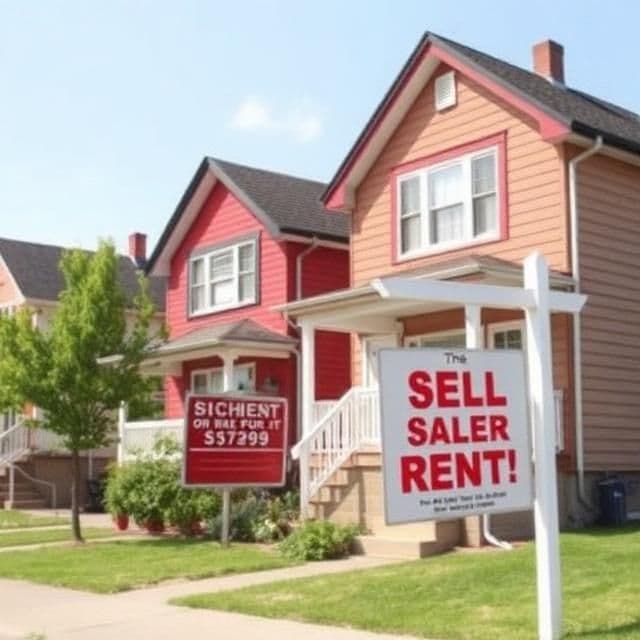
Introduction: Should You Sell Your House or Rent It Out in This Market?
If you own a home in Vancouver, Burnaby, or the North Shore, you have probably asked yourself: should you sell your house or rent it out in this market? With high prices, tight rental vacancy, and constant headlines about interest rates, it is not an easy call. Many owners are caught between locking in today’s equity and holding for long-term appreciation and rental income.
At its core, the decision comes down to four pillars: your cash flow, your risk tolerance, your time horizon, and how comfortable you are becoming (or remaining) a landlord under BC’s Residential Tenancy Act. In Vancouver, where strata rules, city bylaws, and provincial tenancy regulations intersect, these factors are more complex than in many other Canadian cities. A clear framework helps cut through the noise so you can make a confident, numbers-based choice.
This article uses a Vancouver-specific lens to compare selling versus renting, with examples from neighbourhoods like Kitsilano, Mount Pleasant, Surrey, and Coquitlam. You will see how to evaluate your property’s rental potential, understand key BC tenancy rules that affect your flexibility, and build a simple decision checklist you can revisit as the market shifts. The goal is not to push you one way or the other, but to give you the tools to decide what is right for your situation.
Quick Answer Framework: When Selling or Renting Makes More Sense
Many Vancouver owners want a straightforward starting point: when does it usually make sense to sell your house, and when does it usually make sense to rent it out? In simple terms, selling tends to make more sense if you need equity within the next three to five years, cannot comfortably cover negative cash flow, or hate the idea of dealing with tenants, repairs, and BC tenancy procedures. Renting tends to make more sense if you have a long time horizon, stable income, and you see your home as part of a broader wealth-building plan.
Ask yourself three quick questions. First, if your home were rented at a realistic market rate today, would it at least break even after mortgage, strata fees, taxes, insurance, and a maintenance reserve? Second, could you handle a vacancy or unexpected repair without financial stress? Third, how likely is it that you will want to move back into the property or sell it within the next few years? Your honest answers will point strongly toward either selling now or holding as a rental.
Here is a simple comparison you can use as a reference point:
Factor | Favors Selling | Favors Renting Out |
|---|---|---|
Cash flow | Ongoing negative cash flow you cannot comfortably carry | Neutral or positive cash flow with a small buffer |
Time horizon | Need equity within 3–5 years | Comfortable holding 7–10+ years |
Risk tolerance | Low tolerance for repairs, vacancies, and disputes | Accepts some variability in exchange for long-term gain |
Lifestyle plans | Unlikely to move back or keep as legacy asset | May want it for kids, retirement, or a future move back to Vancouver |
Use this as a high-level filter, then dive into the details in the sections below.
Understanding Today’s Vancouver Market: Prices, Rents, and Vacancy
In Vancouver and across the Lower Mainland, the sell-or-rent decision is heavily shaped by two realities: elevated purchase prices and chronically low rental vacancy. Benchmark prices in many areas remain high relative to local incomes, while demand for rentals near SkyTrain corridors, UBC, and SFU continues to outpace supply. This combination creates both opportunity and risk for small-scale landlords deciding whether to keep or dispose of a property.
On the rental side, CMHC and municipal data consistently show tight vacancy in core areas like Downtown, Kitsilano, and Mount Pleasant, and in transit-connected suburbs such as Metrotown, Brentwood, Surrey City Centre, and Port Moody. Low vacancy can support strong rents, but it also raises expectations around unit quality and responsiveness, especially among professional tenants working in tech, healthcare, and education. Properties that are well-maintained, pet-considerate, and close to frequent transit typically see the strongest interest.
On the ownership side, higher interest rates have increased carrying costs for variable-rate and renewing mortgages, squeezing cash flow for some owners who bought or refinanced at lower rates. This can tilt the scales toward selling for owners who are highly leveraged or uncomfortable with payment risk. Before you choose, it is wise to review current local data from sources such as BC Housing and CMHC, then compare it against what similar homes are renting for through platforms and local property management firms.
Financial Analysis: How to Compare Selling vs Renting in Vancouver
To decide whether you should sell your house or rent it out in this market, you need a clear financial picture, not just a gut feeling. Start by estimating a realistic sale price using recent comparable sales in your micro-neighbourhood, then subtract transaction costs like realtor commissions, legal fees, and any pre-sale repairs. This gives you an approximate net equity figure, which you can compare against potential rental returns and principal paydown if you hold the property.
Next, build a simple rental pro forma. List your expected monthly rent based on current listings for similar homes in your area, adjusting for features like parking, outdoor space, and proximity to SkyTrain or the Seawall. Then subtract mortgage payments, property taxes, strata fees (if applicable), insurance, utilities you will cover, and a maintenance reserve of at least 8–10% of rent. The result is your estimated monthly cash flow before vacancy and unplanned expenses. If you are consistently negative, ask whether you are comfortable subsidizing the property in exchange for long-term appreciation and loan paydown.
Finally, factor in tax considerations and opportunity cost. Rental income is taxable, but you can generally deduct many operating expenses and a portion of mortgage interest; however, this is an area where you should speak with an accountant familiar with BC real estate rather than relying on generic advice. On the flip side, selling may trigger capital gains tax if the property is not fully covered by the principal residence exemption. Weighing these elements alongside your broader investment options—such as paying down other debt or diversifying into different assets—will clarify whether the property works better as a rental engine or as realized equity.
Tenancy Rules and Flexibility: What BC Law Means for Your Decision
In BC, your ability to change course later is strongly shaped by the Residential Tenancy Act and Residential Tenancy Branch (RTB) policies. Once you rent out your home on a residential tenancy agreement, you cannot simply decide to sell and ask the tenant to leave because it is more convenient. Ending a tenancy for landlord’s use or buyer’s use requires specific grounds, proper notice, and strict adherence to timelines and compensation rules. Missteps can lead to orders of possession being denied or monetary awards against you.
For example, if you later wish to move back into your home, you must usually serve a two-month notice for landlord’s use of property and pay the tenant one month’s rent as compensation, assuming the tenancy qualifies and the notice is valid. If you sell to a buyer who wants to occupy the unit, the buyer—not you—typically serves the notice after the sale completes, and only if the tenancy is month-to-month and the buyer genuinely intends to live there. Fixed-term tenancies that automatically roll into month-to-month are common in Vancouver, so your initial lease structure will affect your long-term flexibility.
Before you decide to rent out a property you might want to reoccupy in a couple of years, it is wise to review the current rules on the official BC government site at gov.bc.ca and, if needed, speak to a professional property manager. Understanding how notices, dispute resolution, and compensation work will help you avoid assumptions that do not hold up under RTB scrutiny. This legal framework does not mean you should avoid renting altogether, but it does mean you should align your lease structure and expectations with your real future plans.
Property, Location, and Tenant Demand: Reading Your Micro-Market
Not every Vancouver property is equally suited to being a rental. A detached house in East Vancouver with a legal suite near Commercial–Broadway Station will attract a very different tenant profile than a luxury Coal Harbour condo or a Surrey townhome near a future SkyTrain extension. When weighing whether to sell your house or rent it out in this market, you need to ask: does this specific home match what renters are actually looking for in this specific area right now?
Look at three layers: neighbourhood, building or lot, and unit features. Neighbourhoods like Kitsilano, Mount Pleasant, and the West End often appeal to young professionals and downsizers who value walkability, bike routes, and Seawall access. Suburban nodes like Coquitlam Centre, Langley’s Willoughby, and Surrey City Centre tend to draw families and commuters who prioritize schools, parking, and transit. Within each area, pet policies, in-suite laundry, storage, and outdoor space can meaningfully shift demand and achievable rent.
A practical way to test your property’s rental fit is to scan active listings on reputable platforms and compare them to your home. How many similar units are available within a one-kilometre radius? Are they sitting for weeks, or renting within days? What are they actually asking in rent, and what concessions are they offering? Pair that with guidance from a local property manager’s rental evaluations—many, including firms like Chris Clarke Property Management, publish market insights on pages such as services and neighbourhood overviews—to see whether your home is likely to be a strong performer or a borderline candidate as a long-term rental.
Checklist: How to Decide Whether to Sell or Rent Out Your Vancouver Home
To bring everything together, use a structured checklist so your decision is not driven purely by emotion or headlines. Start with your personal situation: confirm your current mortgage rate and renewal date, list all major debts, and outline your next five to ten years of life plans. Are you likely to relocate back to Vancouver from another province? Do you see this home as a potential retirement base in Kitsilano, a future student rental near UBC or SFU, or simply a stepping stone to a different asset? Clarity here will anchor the rest of your analysis.
Next, complete a property-specific assessment. Estimate your net sale proceeds and your realistic monthly rental cash flow, including a vacancy and maintenance allowance. Confirm whether your strata allows rentals and, if so, whether there are bylaws about minimum terms or short-term restrictions. Check for any upcoming building projects—like envelope work or elevator upgrades—that could affect both sale value and rental viability. If the numbers are marginal or negative, ask whether you are still comfortable holding based on expected appreciation and your broader portfolio.
Finally, rate each of the following on a simple scale from 1 (low) to 5 (high): comfort with being a landlord under BC rules, tolerance for financial ups and downs, desire to keep a foothold in the Vancouver market, and urgency of accessing your equity. If most of your scores lean toward low tolerance and high urgency, selling may be more aligned with your reality. If your scores lean toward patience, long-term thinking, and comfort with some complexity, renting can be a powerful wealth-building tool—especially when paired with professional management and clear systems for maintenance, communication, and compliance.
How Chris Can Help
If you are weighing whether to sell your house or rent it out in this market and want a grounded, numbers-first view of your specific property, you can ask Chris a question about rental potential, cash flow, and how BC tenancy rules would apply to your plans. Owners like you often find that a short, practical conversation anchored in real local data makes the decision far less stressful.
Disclaimer
Disclaimer: This is for reference only, please consult a Licensed Rental Property Manager like Chris Clarke or a lawyer before taking any action. We are not liable for any outcomes should you follow the guidance posted here.